

In-Person or Telehealth
Convenient options for client sessions.

After Hours & Weekends
Convenient scheduling.
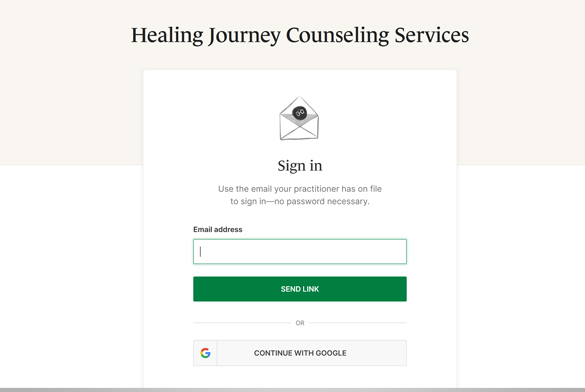
Client Portal
Appointments and other features at your fingertips.
Establishment of Therapeutic Relationship
I believe in your wisdom and motivation to liberate yourself from past trauma and will encourage you with genuine care, curiosity, and respect.

Achievement of Goals
I will meet you exactly where you are and support you through the therapy process with practical evidence-based tools and unconditional positive regard.

Identification of Issues and Tharapeutic Goal
I will explore your life story to help identify your unique strengths and the root cause of the issues you would like to improve/resolve.

Maintain Progress
Addressing the root cause of the issues will help you to significantly improve or completely resolve your struggles.

Embark on a transformative journey to explore your life story within a supportive and caring environment, designed to foster self-discovery and growth. Together, we’ll identify your unique strengths and increase your awareness of underlying issues, uncovering their root causes to facilitate lasting healing. Through evidence-based treatments like EMDR, IFS, and more, you’ll gain effective tools to address these challenges, learning new skills to implement daily, ultimately creating a life you deserve.

EMDR Intensives condense months of therapy into focused day sessions, reducing overall treatment time. EMDR is an evidence-based approach to trauma treatment and is especially effective for single-incident events. Ideal for existing clients due to pre-established rapport and trauma history knowledge. This approach proves to be more cost effective and accommodating to busy schedules by circumventing weekly check-ins and session interruptions.

As a therapist trained in the evidence-based Gottman Method, I can help you identify your relationship’s inherent strengths while pinpointing areas where growth is most needed. By effectively addressing communication breakdowns, diminished emotional intimacy, and recurring conflicts, I equip couples with practical skills they can implement daily, ensuring a healthier and more fulfilling partnership long after therapy concludes.

Investing in your relationship is an investment in your well-being. My practice offers a concrete path forward, utilizing the Gottman Method, an evidence-based approach proven to strengthen relationships. This condensed format allows us to immediately target both strengths and challenges, eliminating unnecessary check-ins and distractions. By capitalizing on momentum, you’ll learn, practice, and integrate new skills more effectively, leading to faster, tangible progress, accommodating even the busiest schedules with flexible follow-up support.

What is Therapy?
Therapy is a collaborative journey, where your active participation leads to personal and relational growth. While deeply rewarding, this process can be challenging, as growth demands time, consistent effort, and navigating moments of discomfort. Know that I will be there to support you throughout your healing, helping you maintain perspective and identify pathways to achieve your therapeutic goals.